
Understanding modern vaping devices and alternative technologies
Shifting away from combustible tobacco involves navigating a complex landscape of electronic hardware, concentrated flavorings, and specific inhalation techniques.
Strategies for reducing tobacco consumption
Transitioning requires a structured approach to gradually lower physical dependence over several months.
Setting a clear timeline allows users to systematically decrease nicotine concentrations without experiencing severe withdrawal symptoms. Many individuals begin with higher-strength formulations that mimic traditional throat hits, eventually stepping down to minimal or zero-nicotine options. This tapering process relies heavily on selecting appropriate devices that deliver consistent vapor alongside behavioral adjustments. Tracking daily usage through built-in puff counters helps maintain awareness, ensuring the gradual transition remains on schedule while breaking habitual physical routines.

Essential components of advanced vaporizers

Managing variable wattage output systems
High-capacity lithium-ion cells provide the necessary energy to rapidly heat internal wire elements safely.
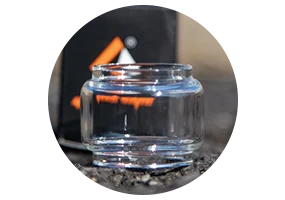
Selecting appropriate glass fluid reservoirs
Durable Pyrex glass tubes securely hold liquid formulations while preventing chemical reactions with plastics.
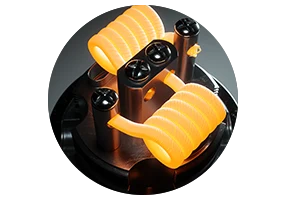
Understanding Sub-Ohm heating coil structures
Wrapped metallic wires combined with organic cotton wicks create the core vaporization chamber mechanics.
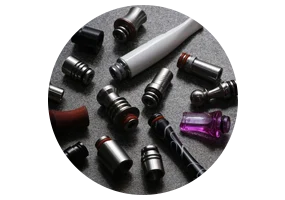
Customizing ergonomic drip tip materials
Heat-resistant resin or Delrin attachments influence airflow restriction and comfort during the inhalation process.
Chemical composition of vaporizing fluids
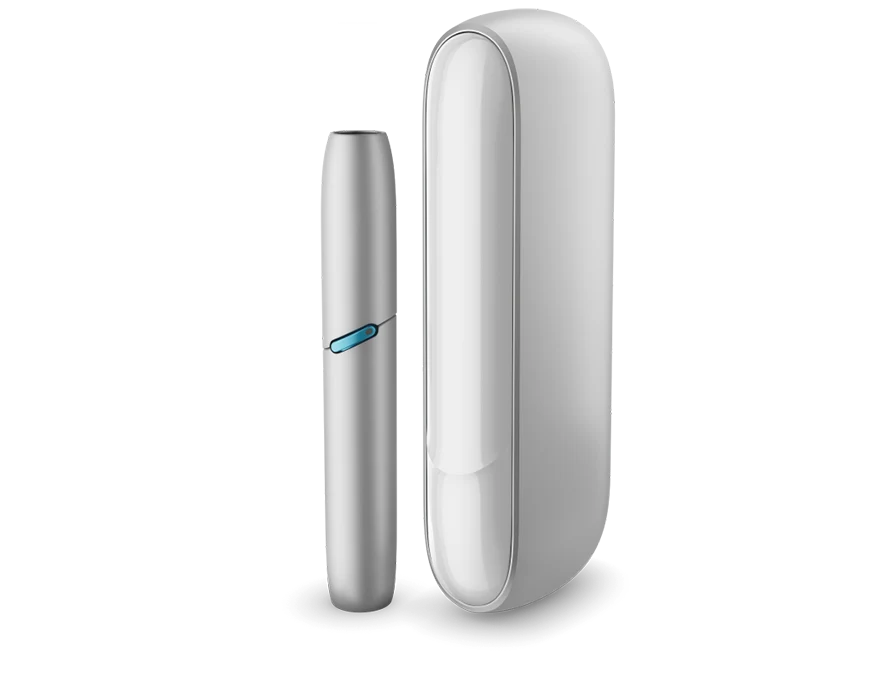
Exploring heat-not-burn tobacco alternatives
Unlike systems utilizing liquid suspensions, specific electronic devices operate by warming compressed organic material just below the threshold of combustion. A precisely calibrated ceramic blade penetrates the proprietary stick, releasing active compounds and aerosols without generating ash or thick smoke. This targeted thermal regulation prevents the creation of numerous harmful byproducts typically associated with burning paper and plant matter. Internal microprocessors constantly monitor internal temperatures, ensuring a consistent release throughout the short predetermined session duration.
Establishing crucial hardware maintenance protocols
Regular inspection of electronic circuits and threading prevents unexpected malfunctions during daily operation.